
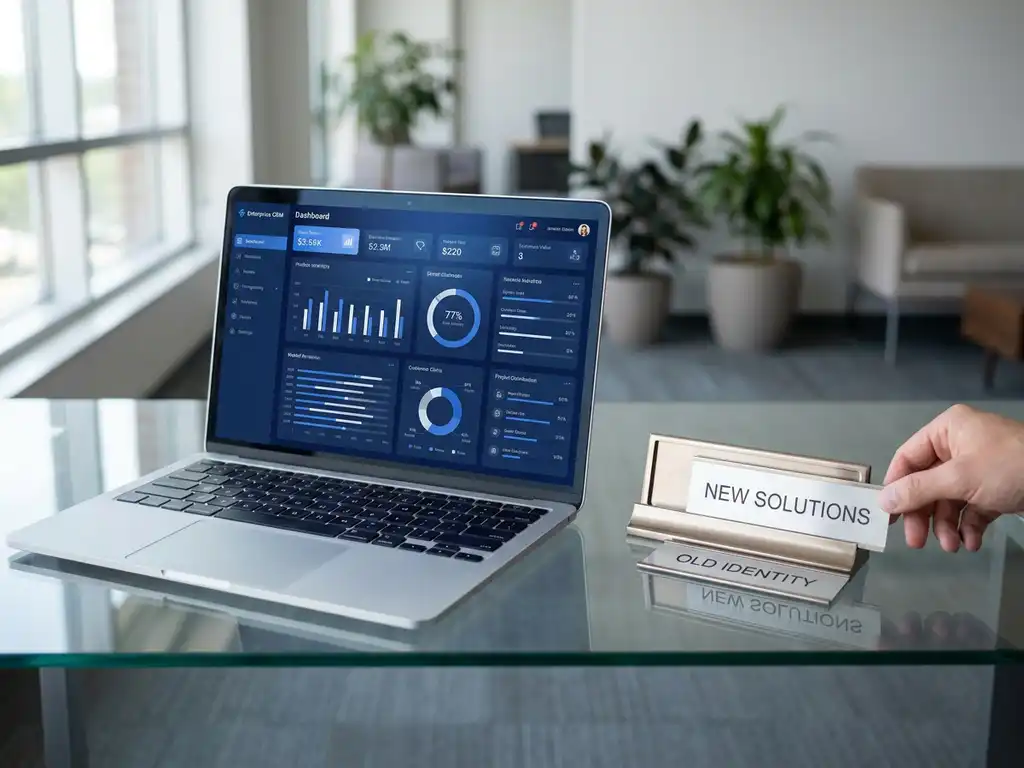
SAP CRM is now known as SAP Customer Experience, abbreviated as SAP CX. SAP has thoroughly redesigned the name and architecture of its CRM solution to create a modular suite of cloud-based applications that go beyond traditional customer relationship management. In this article, we answer the most frequently asked questions about SAP CX, the transition from SAP CRM, and what this means for your organization.
SAP CX, or SAP Customer Experience, is the umbrella name for the suite of SAP solutions focused on customer-facing processes. The suite includes modules for sales, marketing, commerce, customer service, and customer data management. Where the old SAP CRM was a single monolithic system, SAP CX consists of separate cloud solutions, each serving a specific domain.
The five core modules within SAP CX are:
Together, these modules form an integrated ecosystem that supports the entire customer journey, from the first marketing touchpoint to after-sales. The modular structure makes it possible to start with a single solution and expand the suite incrementally as the organization grows or its needs evolve.
SAP began repositioning its CRM portfolio under the SAP Customer Experience name around 2018. The transition was gradual: SAP announced that the classic SAP CRM on-premise system would eventually no longer receive mainstream maintenance, with the end date for standard support now firmly in sight. Organizations still running the legacy system are therefore operating on a platform that SAP is no longer actively developing.
The acquisitions of Hybris (commerce) and Callidus Cloud (sales performance), along with the C/4HANA initiative, accelerated the build-out of the new portfolio. In 2026, SAP CX is the recognized standard for customer-facing SAP processes, while the legacy SAP CRM system is considered an outdated architecture that needs to be replaced.
SAP CRM is an on-premise system that combined sales, marketing, and service within a single platform, whereas SAP Sales Cloud is a cloud-based, standalone sales solution specifically focused on SAP sales automation. The fundamental difference lies in architecture, flexibility, and focus: SAP Sales Cloud is built for the modern sales professional, with mobile access, AI-driven insights, and seamless integration with back-office processes.
The two systems differ in the following key areas:
For organizations looking to equip their sales team with modern tools for lead management, opportunity tracking, and forecasting, SAP Sales Cloud is the logical successor to the sales module within SAP CRM.
The right SAP CX module depends on the primary customer process an organization wants to improve. SAP Sales Cloud is a good fit for companies looking to structure and automate their sales process; SAP Service Cloud is the choice when customer service and customer feedback management are the priority; SAP Marketing Cloud suits organizations that want to run personalized campaigns at scale.
SAP Sales Cloud focuses on streamlining the entire sales process, from prospecting to contract closure. It offers features for pipeline management, visit reports, quotes, and sales analytics. SAP Service Cloud supports customer service teams with a centralized ticketing environment, a knowledge base, and customer feedback management capabilities, making service quality measurable and improvable.
The SAP Customer Data Platform is the solution for organizations that want to consolidate customer data from multiple sources into a single, reliable customer profile. This is essential for companies struggling with fragmented customer information spread across multiple systems. SAP Commerce Cloud is aimed at businesses with a digital sales channel and provides a robust platform for both B2B and B2C e-commerce.
SAP CX and SAP S/4HANA are designed to work together as an integrated whole for SAP back-office and front-office connectivity. Through pre-built integration scenarios on the SAP Business Technology Platform (BTP), the two systems exchange customer and order data in real time. This means that a sales order created in SAP Sales Cloud is immediately visible in the financial and logistics processes of S/4HANA.
The integration delivers tangible benefits for day-to-day operations:
This seamless connection between the front office and back office is precisely what organizations need to deliver a consistent customer experience. TheValueChain guides organizations through both the SAP S/4HANA transformation and the integration with SAP CX modules, ensuring both worlds align optimally.
Yes, for most organizations, moving to SAP CX is the right path forward. Classic SAP CRM is no longer receiving functional enhancements and is becoming increasingly misaligned with modern integration scenarios involving cloud platforms and S/4HANA. Staying on a legacy system means growing technical debt, higher maintenance costs, and a widening gap with competitors who are already benefiting from AI-driven sales tools.
The urgency of the transition varies by situation. Relevant factors include:
A phased approach is the most pragmatic route for many organizations: start with the module that delivers the highest business value — such as SAP Sales Cloud for the sales team — and then expand the suite step by step. As a certified SAP partner with a proven track record, recognized at the SAP BeLux Partner Awards 2025, TheValueChain helps organizations define the right strategy and execute a successful SAP Sales Cloud implementation that aligns with their broader digital transformation ambitions. Ready to explore what SAP CX can do for your organization? Get in touch with our team and we will be happy to help you find the right path forward.